🕉️ All deity
Divine form representing cosmic energy and spiritual power.
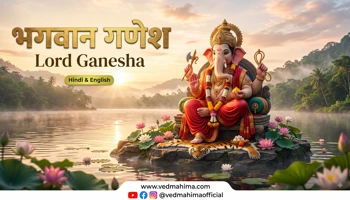
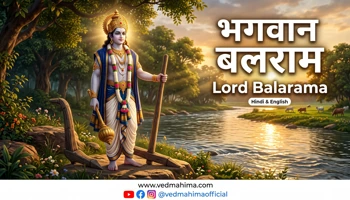
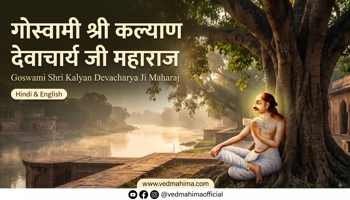
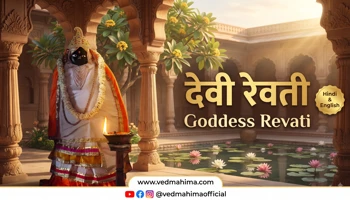
About Deities and sages
Hindu deities represent cosmic energies guiding human life toward dharma and spirituality. Along with them, sages (rishi-munis) hold a highly respected place, with their teachings inspiring moral values and discipline.
How Deities are Traditionally Worshipped
- Through daily prayers, Aarti and specific mantras or stotras
- On dedicated festival days associated with a particular deity
- Through temple visits and pilgrimage to sacred sites
Significance
- Provides blessings, protection and inner strength to devotees
- Sacred stories explain principles of karma, dharma and cosmic order
- Preserves cultural identity and religious heritage
Foundational Concepts of Hindu Dharma
Beyond individual deities, Hindu philosophy is structured around key life frameworks: the 16 Sanskars (sacraments) marking important life stages, the 4 Ashramas (life stages), and the 4 Purusharthas (goals of life).
Frequently Asked Questions
What are the Dashavatar of Lord Vishnu?
The 10 principal incarnations — Matsya, Kurma, Varaha, Narasimha, Vamana, Parashurama, Rama, Krishna, Buddha and Kalki. Read the full answer
What are the 24 avatars of Lord Vishnu?
A broader list described in the Shrimad Bhagavata Mahapurana. Read the full answer
What are the 16 Sanskars in Hinduism?
16 sacraments from Garbhadhana to Antyeshti marking major life stages. Read the full answer
What are the four Ashramas of life?
Brahmacharya, Grihastha, Vanaprastha and Sannyasa. Read the full answer
What are the four Purusharthas?
Dharma, Artha, Kama and Moksha. Read the full answer
Explore more in our Prashnottari section.