Shri Ganesh Ji Ki Aarti
Wisdom, success, obstacle removal, prosperity, knowledge, devotion
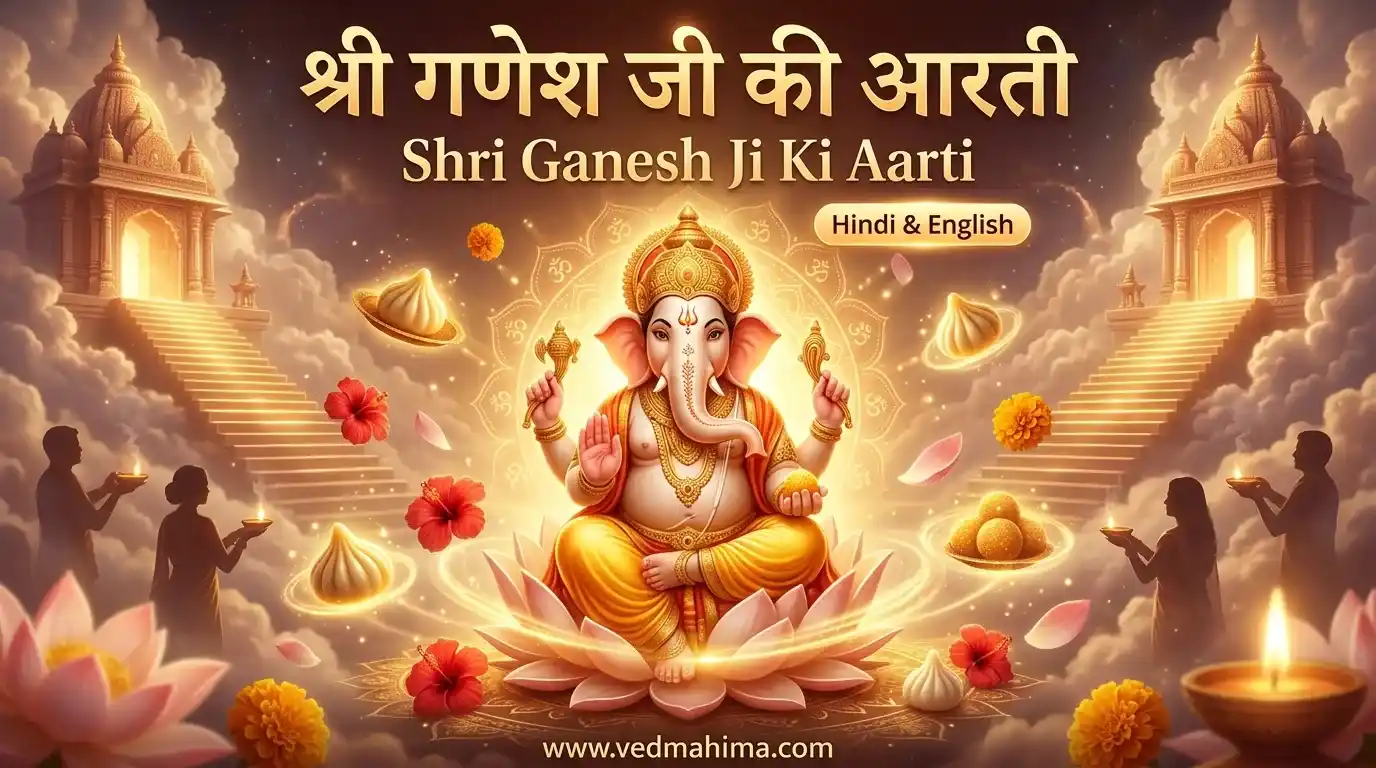
Jai Ganesh Jai Ganesh Jai Ganesh Deva,
Mata Jaki Parvati Pita Mahadeva.
Jai Ganesh Jai Ganesh Jai Ganesh Deva.
Ekdant Dayavant Char Bhuja Dhari,
Mastak Sindoor Sohe Moose Ki Savari.
Jai Ganesh Jai Ganesh Jai Ganesh Deva.
Andhan Ko Aankh Det Kodhin Ko Kaya,
Baanjhan Ko Putra Det Nirdhan Ko Maya.
Jai Ganesh Jai Ganesh Jai Ganesh Deva.
Paan Chadhen Phool Chadhen Aur Chadhen Meva,
Laduan Kau Bhog Lage Sant Karen Seva.
Jai Ganesh Jai Ganesh Jai Ganesh Deva.
Deenan Ki Laaj Rakho Shambhu-Sutvari,
Kamna Ko Pura Karo Jag Balihari.
Jai Ganesh Jai Ganesh Jai Ganesh Deva.
⏰ Best Time
Reciting the Shri Ganesh Ji Ki Aarti daily during morning and evening puja, or especially on Wednesdays and Ganesh Chaturthi, is highly auspicious. Performing this aarti before starting any new work or auspicious ritual ensures success, peace, and the removal of all obstacles.
🔗 Related Trending Aarti
About Shri Ganesh Ji Ki Aarti
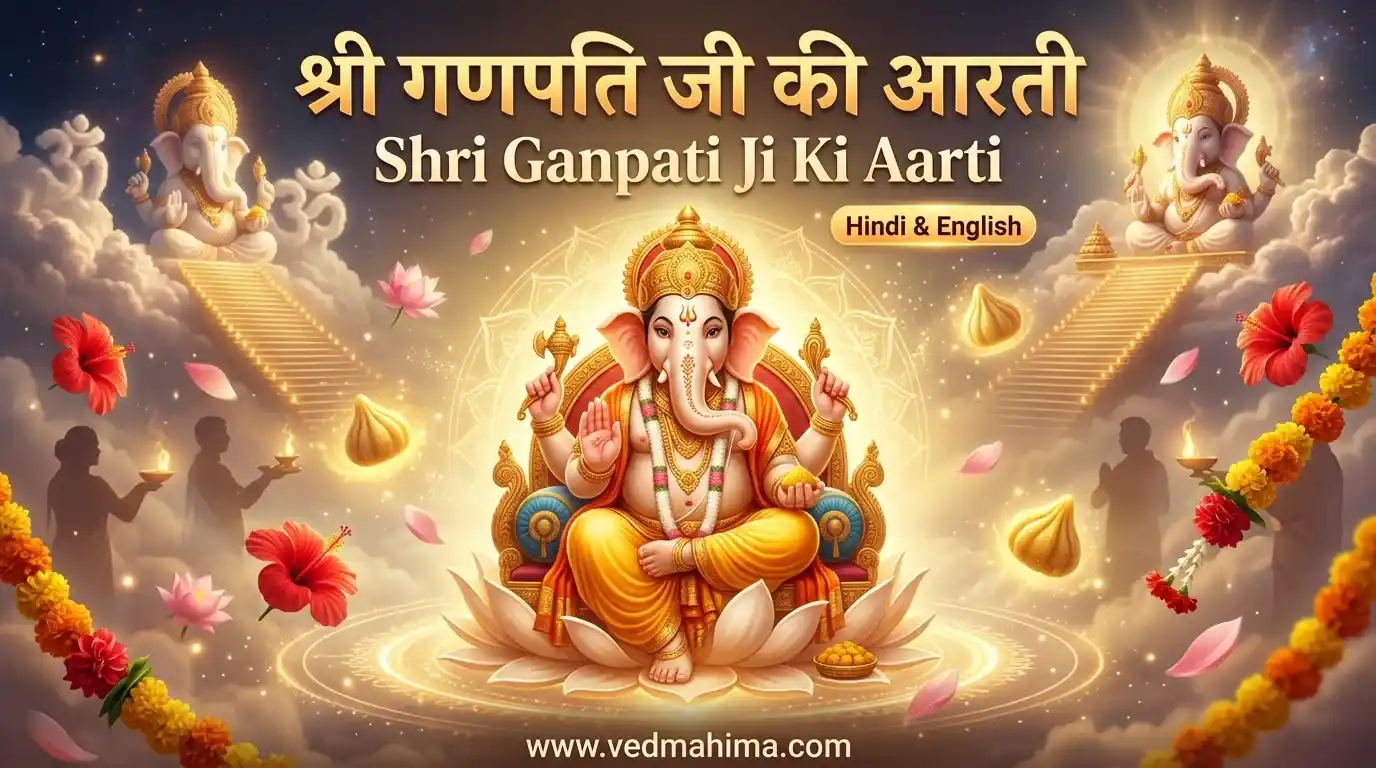
Shri Ganesh Ji Ki Aarti (Jai Ganesh Jai Ganesh Deva) is one of the most popular, widely sung, and beloved devotional hymns in Hinduism. It is dedicated to Lord Ganesha, the elephant-headed deity who is revered as the Vighnaharta (remover of obstacles) and Buddhi-Pradata (bestower of wisdom). According to Vedic traditions, Lord Ganesha is always worshipped first (Pratham Pujya) before any other deity or the commencement of any auspicious ritual, business venture, or celebration.
The verses beautifully describe the divine form of Lord Ganesha, mentioning his single tusk (Ekadanta), his compassionate nature (Dayavanta), his four arms (Chaar Bhuja Dhari), the vermilion (Sindoor) on his forehead, and his humble mount, the mouse (Moose ki Savari). The aarti highlights his immense grace and benevolence towards his devotees, describing how he blesses the blind with sight, heals the sick, grants children to the childless, and bestows wealth upon the poor.
The hymns also depict the traditional offerings made to him, such as betel leaves (Paan), flowers, dry fruits (Meva), and his favorite sweet, Modak/Laddoo, while saints and devotees happily serve him. The aarti concludes with a soulful prayer asking the son of Lord Shiva (Shambhu-Sut) to protect the dignity of the weak and fulfill all worldly and spiritual desires, making the entire world bow in gratitude to his divine glory.